
Blog
What Are Digital Products?

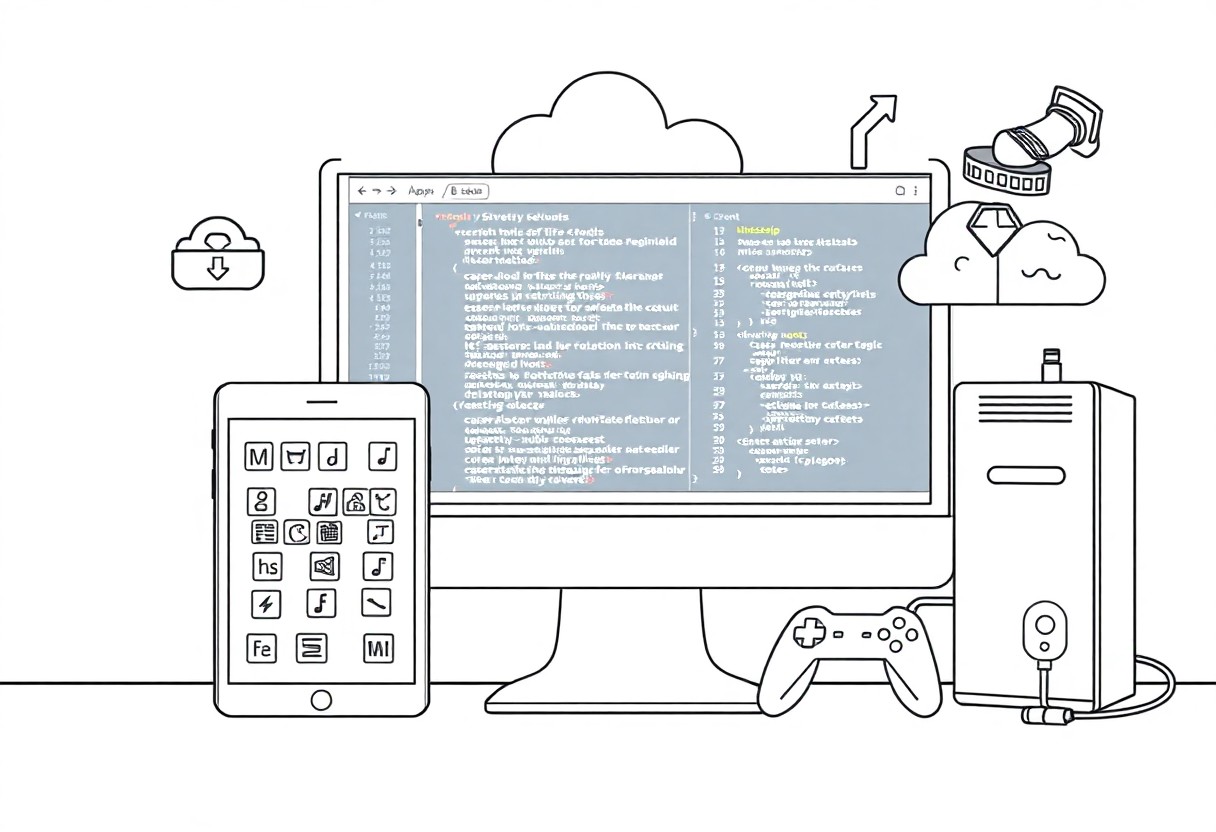
There’s a distinction between physical goods and digital products; I explain downloads, subscriptions, and services, outline risks like piracy and data loss, and show how you can protect your assets while maximizing recurring revenue for sustainable growth.
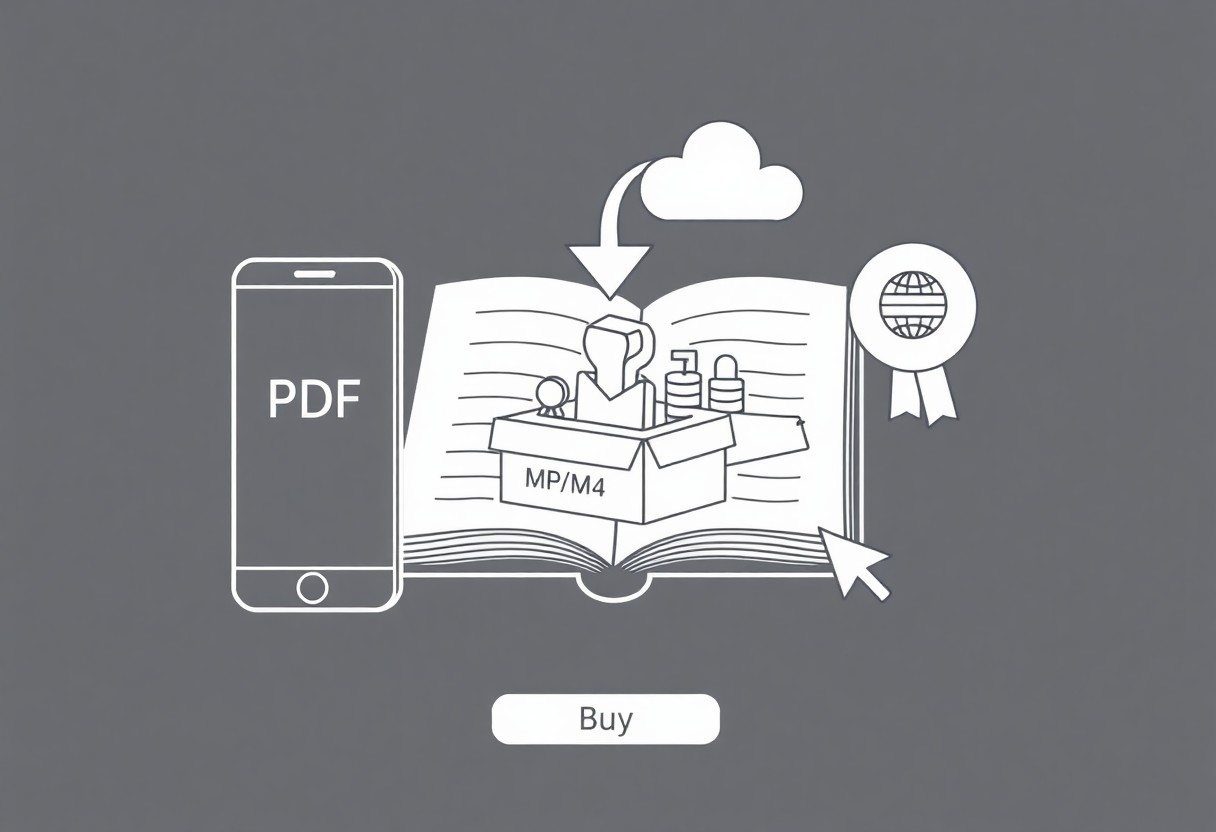
Key Takeaways:
- Digital products are non-physical goods delivered electronically, including software, media, and data-driven services.
- Common types include apps, SaaS, ebooks, online courses, templates, digital art, music, and subscription content.
- Distribution happens via downloads, streaming, cloud access, app stores, marketplaces, and membership platforms.
- Monetization models include one-time purchases, subscriptions, freemium, licensing, and in-app or microtransactions.
- Considerations include intellectual property, versioning, security, customer support, pricing strategy, and scalability.
Defining Digital Products
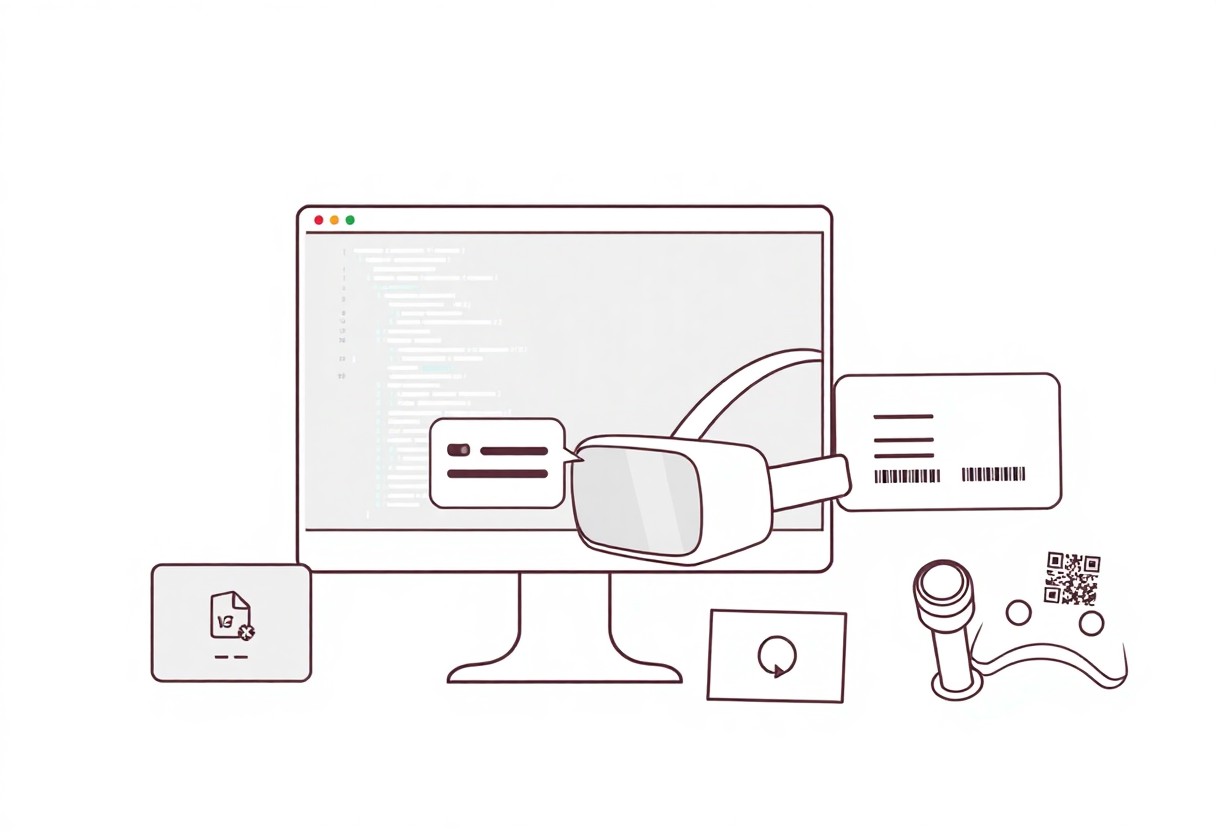
I categorize digital products as intangible goods-software, courses, media, and data-you create, update, and distribute electronically, where scalability and instant delivery are major advantages and IP and security remain ongoing concerns for your business.
Core Characteristics and Value Propositions
You should expect digital products to offer low marginal costs, rapid iteration, and measurable engagement, making recurring revenue and data-driven improvement your strongest advantages while I warn that compatibility and support can make or break adoption.
Distinguishing Digital vs. Physical Assets
My experience shows digital assets have negligible reproduction costs and instant distribution, whereas physical goods require inventory and logistics; fraud and piracy are the main risks you face.
Consider how ownership models and post-sale control differ: I notice digital purchases often mean a license, not full ownership, creating ownership ambiguity and legal exposure, while physical items give tangible transfer but incur supply and shipping costs that eat margins and complicate returns.
Major Categories of Digital Goods
Categories of digital goods help me explain what you can buy or create online; I separate offerings into classes that shape pricing, delivery, revenue potential, and intellectual property risks.
Educational Content and E-learning
Courses, tutorials, and membership sites let me teach your audience; I design content that scales, but I warn about content quality issues and highlight passive income opportunities.
Software, SaaS, and Mobile Applications
Apps and SaaS tools are products I build or subscribe to; I focus on uptime, maintenance, and customer retention, while guarding against security risks that affect your users.
I emphasize continuous updates, analytics, and legal compliance when I develop software; you should budget for bug fixes, hosting, and data protection to avoid costly breaches.
Creative Assets and Digital Media
Designs, templates, stock photos, and music let me sell creativity at scale; I watch licensing closely and warn you about copyright infringement while noting passive revenue potential for your brand.
My process includes clear licensing terms, watermarks, and delivery automation so I protect your work; I also track usage and enforce licensing terms to prevent costly infringements.
Strategic Advantages for Businesses
Businesses that sell digital products can scale with minimal incremental cost; I advise clients that they reduce overhead, let you experiment quickly, and raise margins. Lower fixed costs and faster iteration cycles mean your growth isn’t tied to inventory or staff.
High Profit Margins and Scalability
Profits from digital goods often exceed physical products because I can sell unlimited copies; you face lower variable costs. High margins let your marketing spend scale growth, and I recommend pricing experiments to maximize lifetime value.
Automated Delivery and Global Distribution
Automation of delivery removes manual tasks, so I set systems that deliver files, keys, or access instantly, giving you immediate sales fulfillment worldwide. 24/7 availability makes your product earn while you sleep and reduces support bottlenecks.
Automated Delivery and Global Distribution
Global CDNs and API triggers let me deliver downloads under seconds; I monitor latency and regional laws so you can avoid chargebacks and compliance issues. Automated refunds and license checks protect revenue and reduce fraudulent access.
Challenges in the Digital Marketplace
Challenges include pricing pressure, piracy and discoverability; I steer you toward resources like 18 Most Profitable Digital Products to Sell in 2026. I ask you to focus on security and differentiation to protect revenue.
Protecting Intellectual Property and Security
Security measures like DRM, watermarking and contracts cut theft; I recommend you combine technical and legal steps so your IP stays protected and customer trust rises.
Navigating Market Saturation
Competition intensifies as low-cost offerings proliferate; I help you sharpen your value proposition so your premium products stand out and you avoid price wars.
I recommend segmenting niches, refining messaging, and launching micro-targeted offers so your product avoids commodification; I show you how to test pricing, bundle features, and build a loyal audience that sustains sales even when competitors undercut prices.
Monetization and Pricing Models
I weigh pricing choices by how they affect cash flow: recurring revenue builds predictable income, while one-time sales can leave your growth spiky and risky; I advise balancing both so you can scale without cash shortfalls.
One-Time Sales vs. Recurring Revenue
Sales models force choices: I show you that one-time purchases give quick cash, while subscriptions create predictable lifetime value, and I help you choose based on your product and growth goals.
Freemium and Tiered Pricing Strategies
Freemium works when I convert free users into paid ones; you get scale quickly, but I watch for churn and ensure clear upgrade paths so your conversion drives revenue.
Tiered plans let me segment users by value: I design entry, growth, and premium tiers with distinct features, price anchors, and trials so you can upsell without alienating beginners; price anchoring often boosts average revenue per user, while poorly differentiated tiers can confuse and harm conversions.
Future Trends in Digital Consumption
I predict consumers will favor on-demand, subscription, and microtransaction models; I watch AI-driven personalization and privacy risks shape purchases. Read more about What are Digital Products? to align your strategy.
Integration of AI and Automation
AI systems will automate content creation, personalization, and support; I urge you to monitor bias and security risks as you scale digital offerings.
The Evolution of the Creator Economy
Creators monetize directly through subscriptions, courses, and NFTs; I see community-driven revenue growing as your audience pays for exclusive access.
Platforms dictate discoverability and fees, so I recommend you diversify income across products, memberships, and direct sales. Building your own mailing list and a personal storefront reduces platform risk and strengthens sustainable income, while you must guard against copyright and algorithmic changes that can slash reach overnight; I guide creators to measure lifetime value and test pricing.
Summing up
Taking this into account I conclude that digital products-software, ebooks, courses, templates-are reproducible, low-overhead offerings I can create or sell, and I recommend you use them to streamline work, scale income, and solve specific needs for your business or personal projects.
FAQ
Q: What are digital products?
A: A digital product is a non-physical good created, delivered, and consumed electronically. Examples include software and apps, e-books and guides, online courses and webinars, templates and design assets, stock photos and music, video content, digital art (including NFTs), and cloud-based services or APIs.
Q: How do digital products differ from physical products?
A: Digital products require no manufacturing, inventory, or shipping and can be distributed instantly via downloads, streaming, or account access. Production and update cycles focus on content and code rather than supply chains, marginal distribution cost tends toward zero, and scales easily to many customers without per-unit manufacturing cost. Versioning and updates are delivered directly to users rather than through recalls or physical replacement.
Q: How do creators build and validate digital products?
A: Creators start by identifying a clear audience problem or need, conduct quick validation through surveys, landing pages, or minimum viable products, then produce the core asset using appropriate tools (text editors, IDEs, audio/video editors, design software, learning platforms). Testing with a small user group, iterating on feedback, and packaging in common formats (PDF, MP3, MP4, installable packages, SaaS interfaces) completes the build process. Clear licensing, documentation, and support plans increase user adoption and reduce support load.
Q: How are digital products distributed and protected?
A: Sellers distribute via personal websites, marketplaces, app stores, learning platforms, or subscription services and use payment processors and automated fulfillment to deliver access. Protection methods include license keys, access controls, watermarking, DRM where appropriate, account-based authentication, and terms of use that define permitted use. Regular backups, secure hosting, and update mechanisms help maintain product integrity and customer trust.
Q: What monetization models and legal issues should creators consider?
A: Common monetization models include one-time purchases, subscriptions, freemium with paid upgrades, pay-per-use, licensing to businesses, and affiliate or bundle sales. Legal considerations cover copyright ownership, licensing terms, third-party content licenses, privacy and data protection laws, tax obligations for digital sales, and clear refund and support policies. Choosing open-source versus proprietary licensing affects distribution, contribution rights, and commercial restrictions.


